We are now accepting new patients | Find out more >>
Visit us: 20 Oswald Road, Oswestry, Shropshire, SY11 1RE
Call us: 01691 652424

Jun 17, 2026
Iron Deficiency and Your Mouth: The Warning Signs Often Show Up First at the Dentist
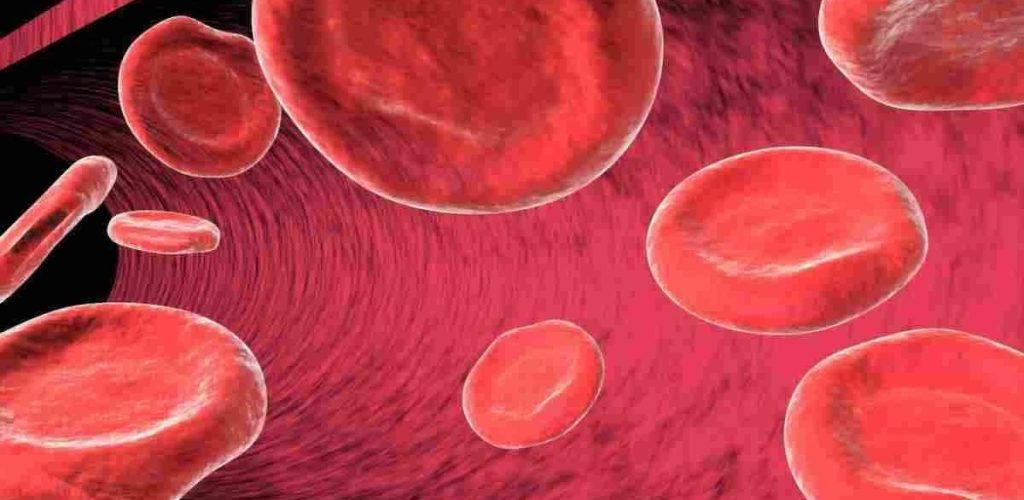
Iron deficiency is one of the most common nutritional shortfalls in the UK, particularly among women, teenagers, and anyone on a restricted diet.
Most people associate it with tiredness, breathlessness, or pale skin.
Far fewer realise that some of the earliest and most visible signs can actually show up in the mouth – which means, quite often, a dental check-up is where it first gets noticed.
This isn’t a minor curiosity.
Iron is essential for producing the enzymes that keep the lining of your mouth, tongue, and lips healthy and able to repair themselves. When iron runs low, that tissue is often among the first in the body to show it.
What to look out for
A handful of oral symptoms come up again and again in people with low iron:
- A sore, smooth, or unusually red tongue (atrophic glossitis) – the small papillae that normally give your tongue its slightly rough texture flatten out, sometimes leaving it looking glossy or “bald”.
- Cracks or soreness at the corners of the mouth (angular cheilitis) – persistent, sometimes painful splits that don’t heal the way an ordinary dry-lip crack would.
- Recurrent mouth ulcers, particularly if they seem to keep coming back despite good oral hygiene.
- A burning sensation on the tongue or inside the mouth, with no obvious cause.
- Increased susceptibility to oral thrush, since low iron can make the mouth’s lining more hospitable to candida.
- Pale gums or oral mucosa, sometimes noticed by the dentist before the patient themselves.
None of these are exclusive to iron deficiency – plenty of things cause mouth ulcers or a sore tongue – but when several appear together, or when standard remedies aren’t helping, it’s a reasonable prompt to look at iron status alongside the usual dental assessment.
Why this matters beyond fatigue
It’s easy to think of iron deficiency as simply “feeling tired,” but the mouth is a genuinely useful early warning system.
The tissue lining the mouth turns over faster than most tissue in the body, which means it’s often among the first places nutritional deficiencies become visible – sometimes before bloodwork would even be flagged as a concern in a routine check.
There’s also a two-way relevance to dental health specifically.
Some research has found that people with iron deficiency anaemia show a higher prevalence of dental decay and gum inflammation compared with people with normal iron levels, likely reflecting a combination of reduced tissue resilience and, in some cases, shared underlying causes such as poor diet or absorption problems.
It isn’t a simple cause-and-effect story in the way smoking and gum disease is, but the association is consistent enough across studies that it’s worth taking seriously.
Who’s most at risk
- Women with heavy periods, or anyone with ongoing blood loss from any source.
- Pregnant women, whose iron needs increase substantially.
- Vegetarians and vegans, since plant-based (non-haem) iron is absorbed less efficiently than iron from meat.
- Teenagers, particularly during growth spurts.
- People with coeliac disease, IBD, or other conditions affecting gut absorption.
- Older adults, especially if diet has become more limited.
What you can do
- Eat iron-rich foods regularly.
Red meat, poultry, and fish are the most efficiently absorbed sources.
If you’re vegetarian or vegan, lentils, beans, tofu, and fortified cereals all help – just pair them with a source of vitamin C (citrus fruit, peppers, tomatoes) at the same meal, which significantly boosts how much iron your body can actually absorb.
- Be cautious with tea and coffee around meals.
Tannins in tea in particular can reduce iron absorption quite noticeably if drunk right after eating leaving a gap of half an hour or so makes a meaningful difference.
- Don’t ignore a sore tongue or cracked mouth corners that won’t settle.
If ordinary lip balm or a change in toothpaste hasn’t helped after a couple of weeks, it’s worth mentioning at your next appointment, or to your GP directly.
- Get a blood test if you suspect it.
A simple ferritin and full blood count will confirm iron status. Self-treating with supplements isn’t advisable without knowing your levels first, since too much iron carries its own risks.
The bigger picture
Your mouth is often a more honest indicator of what’s going on nutritionally than you’d expect. A dentist who notices a persistently sore or smooth tongue isn’t just treating a dental symptom — they may be picking up the earliest visible sign of something worth investigating properly.
If you’ve noticed any of the signs above, or you’re in one of the higher-risk groups, mention it at your next visit to Oswyn House Dental Practice. We’re always glad to help join the dots between what we see in the mouth and what might be going on elsewhere.
Written or reviewed by Jabbar Hussain.
Dentist with over 20 years’ experience in high-end general and cosmetic dentistry.

Articles you may be interested in
September 23 2026
Welcoming Dr Ashley Peile to Oswyn House
We’re pleased to welcome Dr Ashley Peile to Oswyn House Dental Practice. Ashley’s work is...
Continue reading
September 16 2026
Root Canal or Extraction: Which Options Should I Consider?
I had a conversation with a patient recently that I’ve had many times during my...
Continue reading
September 9 2026
Root Canal Treatment: Does It Really Hurt?
I had a patient come to see me recently with a very painful tooth. It...
Continue reading